
Veterinary Services
Pet Therapeutic Laser Therapy in Kingsport, TN
Learn how pet therapeutic laser therapy in Kingsport, TN, may help relieve pain, reduce inflammation, and support healing in dogs and cats.
Veterinary Services
Pet Therapeutic Laser Therapy at Kingsport Veterinary Hospital.
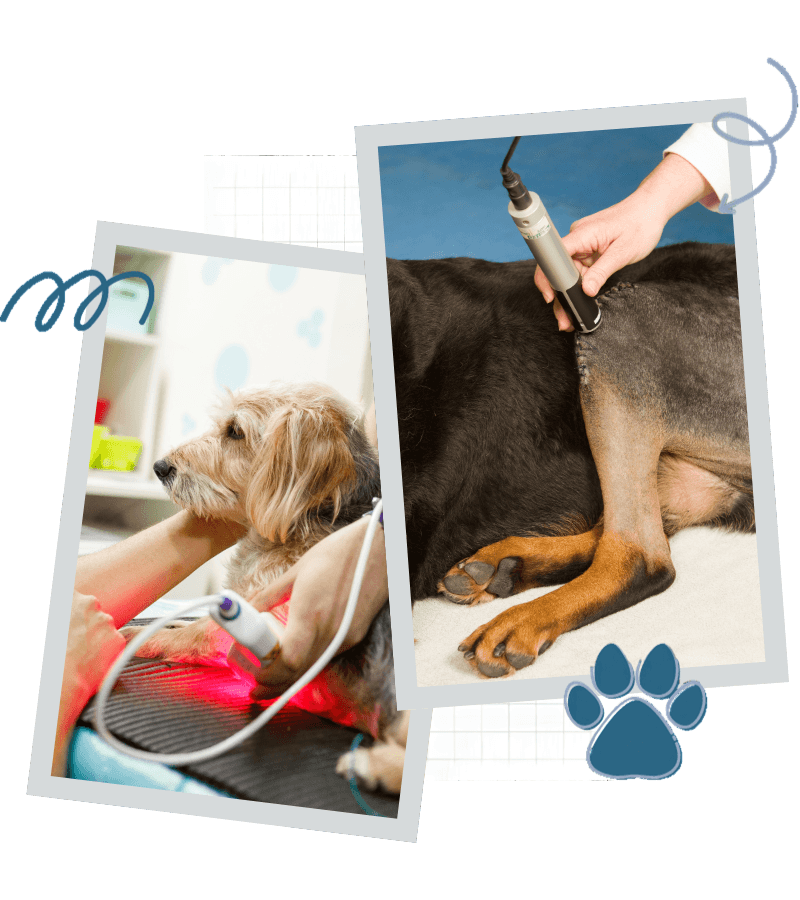
Kingsport Veterinary Hospital offers pet therapeutic laser therapy in Kingsport, TN, using a Class 4 therapeutic laser therapy system (Companion Animal Laser Machine) to help dogs and cats manage pain, reduce inflammation, and support healing. This noninvasive treatment may benefit pets experiencing arthritis, joint discomfort, soft-tissue injuries, and certain post-operative recovery needs. Our team incorporates therapeutic laser therapy into individualized care plans based on each pet’s condition and treatment goals. We also welcome referrals from other veterinary hospitals seeking laser therapy for their patients.

How Does Pet Therapeutic Laser Therapy Work?
Therapeutic laser therapy, also known as photobiomodulation (PBM), uses specific wavelengths of light to stimulate cellular activity. This process may help support the body’s natural healing response by improving circulation and encouraging tissue repair.
Laser therapy may help reduce inflammation and ease discomfort associated with certain conditions. When appropriate, it can complement other veterinary treatments to support recovery, improve mobility, and keep pets comfortable.
At the cellular level, light energy interacts with mitochondria, which help cells produce energy. These interactions may support cellular function, tissue repair, and recovery. Treatment settings are tailored to each pet’s condition and needs.
The Science Behind Therapeutic Laser Therapy
How Light Wavelengths Interact With Tissue
Therapeutic laser therapy uses specific wavelengths of red and near-infrared light that can penetrate tissue to different depths. The light interacts with cellular structures and light-sensitive molecules, including components involved in energy production. The effects depend on the wavelength, energy delivered, treatment duration, and type of tissue being treated.
Cellular Effects of Photobiomodulation
Photobiomodulation (PBM) describes how light energy influences cellular activity and signaling. These interactions may affect mitochondrial function and cellular energy production, helping support processes involved in normal tissue maintenance, repair, and recovery. The response varies depending on the condition being treated and the treatment parameters used.
Supporting Circulation and Oxygen Delivery
Therapeutic laser treatment may influence local circulation and microvascular function in treated tissues. Improved blood flow can help deliver oxygen and nutrients needed for cellular activity and remove metabolic waste products. These effects may contribute to the body’s natural response to injury and recovery.
Helping Reduce Pain and Inflammation
Laser therapy may help manage pain by influencing inflammatory signaling and processes involved in pain sensitivity. It may also help reduce inflammation and associated swelling in certain conditions. These effects can be useful for pets experiencing joint discomfort, soft-tissue injuries, and other sources of acute or chronic pain, although individual responses vary.
Promoting Tissue Repair and Recovery
By influencing cellular activity and the local tissue environment, photobiomodulation may support tissue repair and recovery. Veterinary laser therapy may be used as part of a treatment plan for selected injuries, post-surgical recovery, wounds, and musculoskeletal conditions. The veterinarian will determine whether laser therapy is appropriate based on the pet’s diagnosis and healing needs.
Laser Therapy in Multimodal Pain Management
Laser therapy can be part of a multimodal pain-management plan alongside medication, physical therapy, rehabilitation, weight management, and activity adjustments. Combining appropriate treatments helps address pain, support recovery, and improve mobility based on each pet’s needs. Your veterinarian will monitor your pet’s progress and adjust the treatment plan as needed.
What to Expect During and After Laser Therapy
What Happens During a Session?
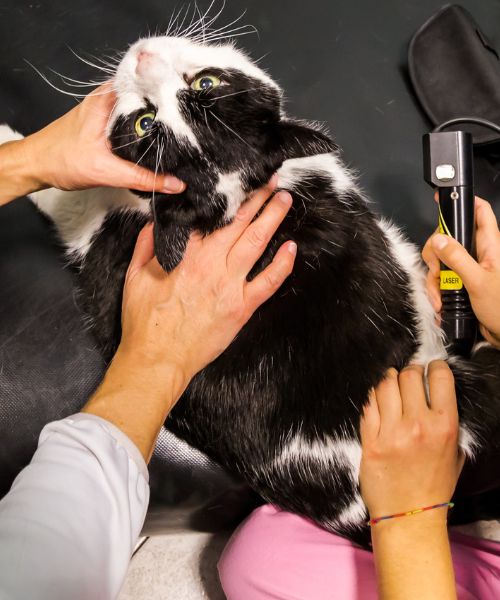
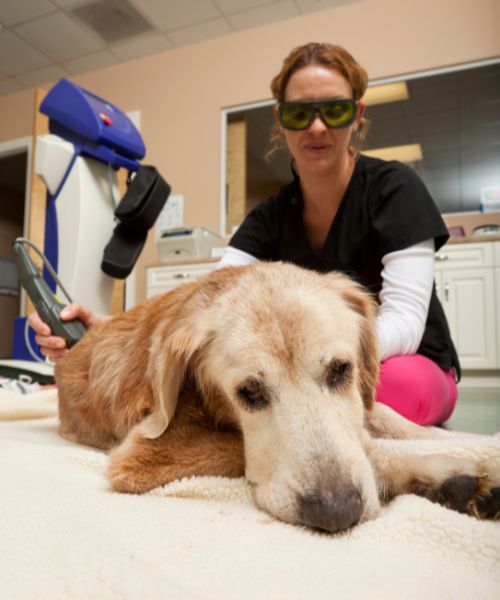
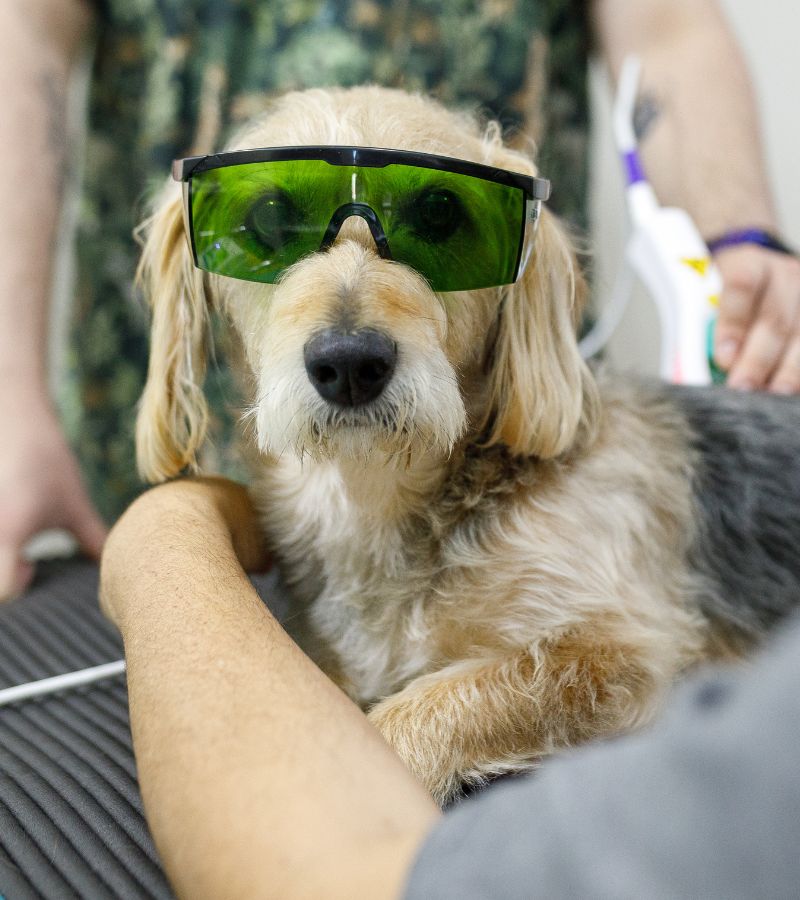
A typical laser therapy session begins with an assessment of your pet’s condition and the area being treated. Your veterinarian will position your pet comfortably and apply the laser to the targeted area while wearing appropriate protective eyewear. Treatment is noninvasive, and many pets tolerate it well. Some may experience gentle warmth, but the procedure should not be painful.
What Happens After Treatment?
Your pet’s response may vary depending on the condition being treated. Some pets may show improvements in comfort or mobility over time, while others require multiple sessions before changes become noticeable. Your veterinarian will monitor progress and recommend any necessary adjustments to the treatment plan.
Treatment Plans and Laser Therapy Safety
How Often Does My Pet Need Treatment?
Is Laser Therapy Painful or Uncomfortable?
Is Therapeutic Laser Therapy Safe?
Therapeutic Laser vs. Other Light Therapies
Therapeutic laser therapy offers targeted treatment with higher power output and the potential for deeper tissue penetration than many other forms of light therapy, such as LED therapy. Class 4 therapeutic lasers deliver light energy to specific tissues to help manage pain, reduce inflammation, and support healing. Treatment can be adjusted based on each pet’s condition and therapeutic goals.
For therapeutic laser for dogs and therapeutic laser for cats, this treatment may help manage discomfort associated with arthritis, joint problems, soft-tissue injuries, and post-operative recovery. Class 4 therapeutic laser therapy allows the veterinarian to target affected areas based on each pet’s condition and treatment needs.
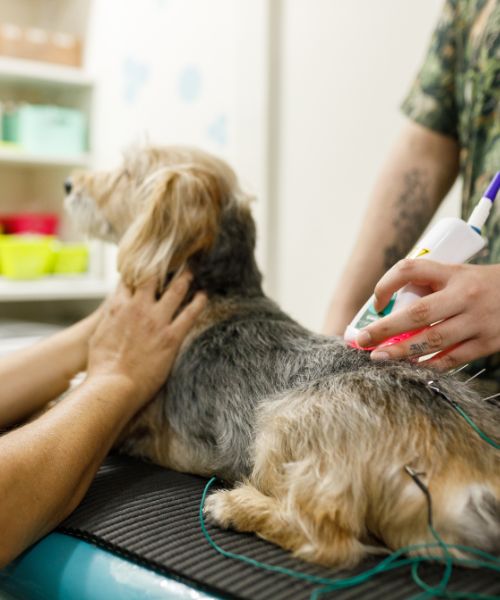
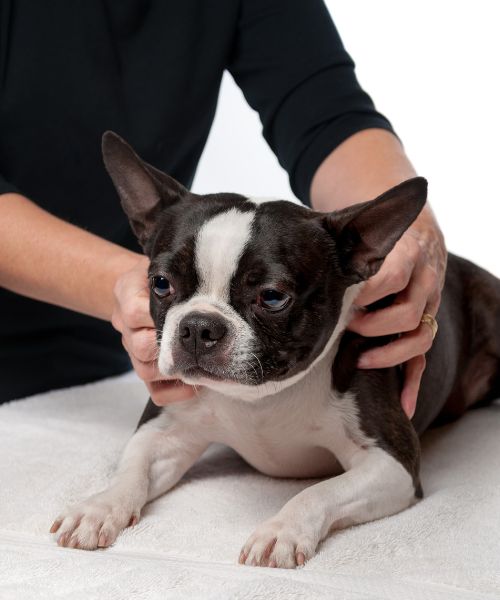
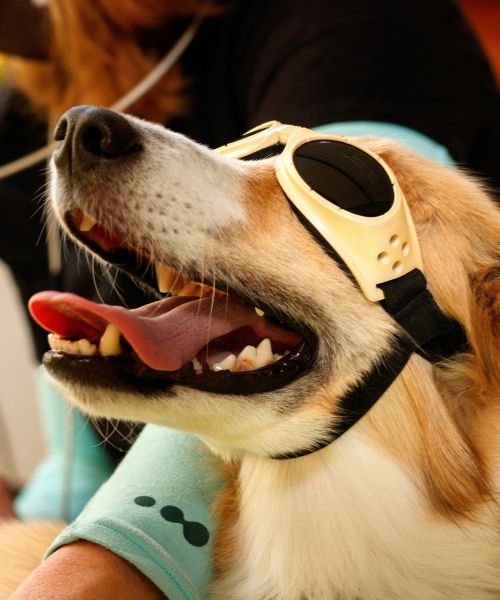
Pets Receiving Laser Therapy at Kingsport Veterinary Hospital
What Can Therapeutic Laser Treat?
Therapeutic laser therapy may help manage pain, reduce inflammation, and support tissue repair in dogs and cats with various conditions. At Kingsport Veterinary Hospital, treatment recommendations are tailored to each pet’s diagnosis, symptoms, and individual needs.
- Osteoarthritis and degenerative joint disease
- Acute and chronic pain
- Inflammation
- Soft-tissue injuries
- Sprains and strains
- Muscle injuries
- Tendon and ligament injuries
- Post-operative recovery
- Orthopedic surgery recovery
- Wound healing
- Incisions and surgical sites
- Traumatic injuries
- Edema and swelling
- Chronic pain conditions
- Bladder infections and urinary tract infections (UTIs)
- Neuropathic pain
- Back and spinal pain
- Hip and joint pain, including arthritis
- Rehabilitation and recovery
- Dental and oral applications
- Other evidence-supported veterinary indications
How Laser Therapy Helps Pets With Arthritis and Joint Pain
Arthritis and degenerative joint disease can cause stiffness, discomfort, and reduced mobility in dogs and cats. Therapeutic laser therapy may help manage joint pain and inflammation, supporting more comfortable movement and everyday activities.
Pets with hip discomfort, knee problems, elbow arthritis, or other joint conditions may benefit from laser therapy as part of an individualized care plan. It can complement other treatments, including medication, weight management, controlled exercise, and rehabilitation.
Although laser therapy cannot reverse joint damage or cure arthritis, it may help manage symptoms and support mobility. At Kingsport Veterinary Hospital, treatment recommendations are tailored to each pet’s condition, comfort, and response to therapy.
Frequently Asked Questions
What Is Therapeutic Laser Therapy for Pets?
Does Laser Therapy Hurt?
How Does Laser Therapy Work?
What Conditions Can Laser Therapy Help?
How Often Does My Pet Need Laser Therapy?
How Long Does a Laser Treatment Take?
Is Laser Therapy Safe for Dogs and Cats?
Can Laser Therapy Help Arthritis?
Can Laser Therapy Help After Surgery?
Does Pet Insurance Cover Laser Therapy?
What Is Photobiomodulation?
Can My Veterinarian Refer My Pet for Laser Therapy?
Veterinary Referrals Welcome
Kingsport Veterinary Hospital welcomes therapeutic laser therapy referrals from veterinarians and surrounding animal hospitals. Referring practices can send patients to our team specifically for laser therapy as part of their ongoing treatment and recovery plans.
We value collaboration with referring veterinarians and can coordinate treatment recommendations and communication to help keep the primary veterinarian informed of the patient’s progress. Our goal is to complement your patient’s existing care while maintaining continuity with your practice.
Patient Success Stories
Explore success stories from veterinarians worldwide. This external link leads to Companion Animal Health’s collection of laser therapy success stories across a wide range of species and medical conditions.

15-year-old Jack Russell Terrier recovers from partial CCL tear with PRP

Laser Therapy Helps Dachshund Recover From Being Hit by a Car

Labrador recovers from bilateral hip dysplasia with laser therapy and platelet-rich plasma
Explore Laser Therapy Research and Case Studies
Learn more about veterinary laser therapy through external case studies, clinical research, and scientific publications from Companion Animal Health. Explore real-world cases, treatment videos, and published studies to learn more about the applications of therapeutic laser therapy in veterinary medicine.

Pneumonia on Chow Chow Puppy Moe Treated with Laser Therapy

Dermatitis on Two-Year-Old Cat Treated with Laser Therapy

Partial CCL Tear on 10yo Retriever Healed with PRP and Laser Therapy
Veterinary Testimonials and Success Stories
Discover testimonials and success stories from veterinary professionals using Companion Animal Health products to support patient care and improve the lives of pets.

Treatments That Take 15 Minutes or Less
Veterinarians Love Laser Therapy
Great for Many Conditions
After years of use, Companion Therapy Laser has delivered impressive results for wounds, infections, osteoarthritis, skin conditions, and post-operative care.